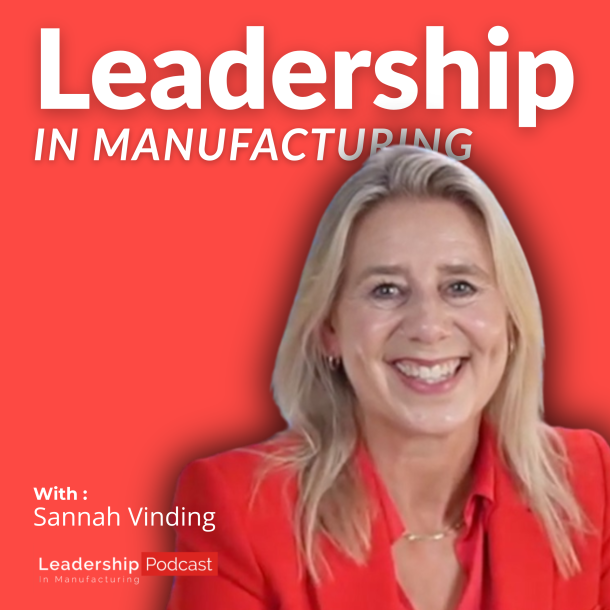
For Leaders in Electronics, Distribution and Manufacturing
Leadership Development That Works: Skills, Insights and Real Stories
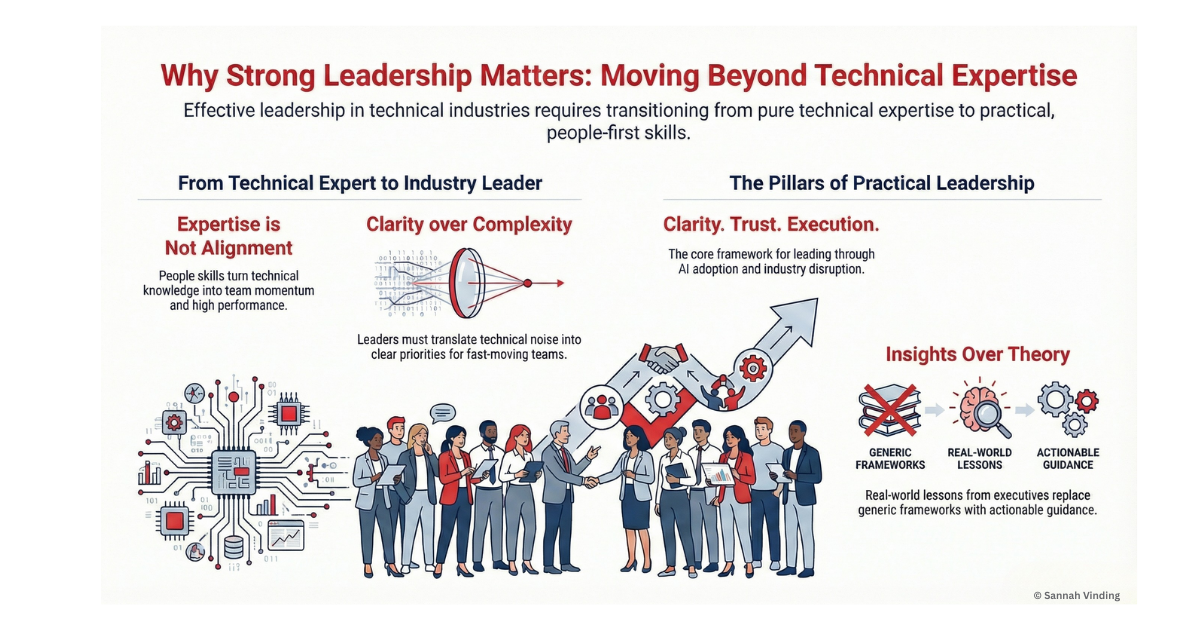
Why Leadership Development Matters Today
Technical skills have always been important, but they are no longer enough. Leaders must guide people through automation, digital transformation and cross-functional complexity while maintaining operational performance.
Industry data reinforces how urgent this need has become.
Gen Z expects meaningful leadership
Gen Z employees value career development, purpose and supportive leadership more than traditional incentives.
McKinsey
Skills are changing faster than ever
More than half of all employees will need significant skills updates by 2025 due to rapid technological and workplace transformation.
Forbes
Trust in leadership is declining
Trust in immediate managers has dropped to 29 percent, a decline of 37 percent in two years.
Forbes
These trends show why leadership development must be intentional, people-focused and skill oriented.
How AI Is Transforming Leadership, Work Habits and Team Expectations
Artificial intelligence is becoming part of daily work across electronics, manufacturing and distribution. It is not only changing tools and processes, but also reshaping leadership styles, workforce habits and how decisions are made.
AI is becoming part of everyday work
A recent McKinsey survey found that while only 20 percent of senior leaders believe employees will use generative AI for more than 30 percent of their tasks within a year, employees themselves estimate this number at 47 percent.
McKinsey
What this shift means for leadership
Leadership must become more facilitative
AI reduces repetitive work, creating space for leaders to focus on strategy, coaching and helping people make sense of new tools.
Work habits are evolving
Teams using AI become more agile, rely more on data and need clear guidance on when to use automation and how to maintain quality and accuracy.
Decision-making is changing
AI enables faster insights, but leaders must balance speed with human judgement, ethics and context.
People skills matter more
Emotional intelligence, trust building, problem solving and communication become even more important as AI tools spread.
Leaders must guide responsible adoption
Teams need clarity on fairness, transparency, upskilling and workflow changes.
AI is reshaping leadership. The best leaders will learn to combine technology with strong human-centered practices.
“AI is reshaping electronics and manufacturing, but great leadership remains the differentiator. Technology accelerates progress, leaders accelerate people.”
What Leadership Development Achieves
When organizations invest in leadership development, the benefits are immediate and long term.
Stronger retention
Employees stay when they feel guided, supported and valued.
Higher productivity
Effective leaders create clarity, reduce friction and help teams collaborate more efficiently.
Better decision making
Well-prepared leaders respond to challenges with confidence and focus.
A healthier culture
Leadership influences trust, motivation and engagement across the company.
Technology can guide the work, but leaders guide the people.
— Sannah Vinding
The Skills Leaders Need in Electronics, Distribution and Manufacturing
Based on industry expertise and insights from more than one hundred leadership conversations on the podcast, the most important skills include:
- Clear communication across technical, commercial and global teams
- Adaptability as technology and workplace expectations evolve
- Strategic thinking that connects daily decisions to long term goals
- Emotional intelligence and the ability to motivate people
- Cross-functional collaboration
- Cultural awareness in multi-regional environments
- Confidence using AI, data and automation tools
- Ability to transfer knowledge and develop future talent
These skills help leaders navigate complexity while keeping people aligned and effective.
How Organizations Build Effective Leaders
Leadership development works best when structure and real experience come together.
Tailored leadership training
Training aligned with the real challenges of electronics, supply chain, distribution and manufacturing.
Cross-functional exposure
Leaders gain perspective by working with engineering, sales, supply chain and operations.
Mentorship and coaching
Experienced leaders support rising talent by sharing lessons, feedback and insights.
Continuous learning culture
Companies that encourage curiosity and experimentation develop stronger leaders across every level.
Real-World Examples of Leadership in Action
Lessons from Executives Who Have Lived These Challenges
The Leadership in Manufacturing podcast provides real stories from leaders across the electronics value chain. These examples show how leadership development works in practice.
Building Trust-First Remote Teams with AI
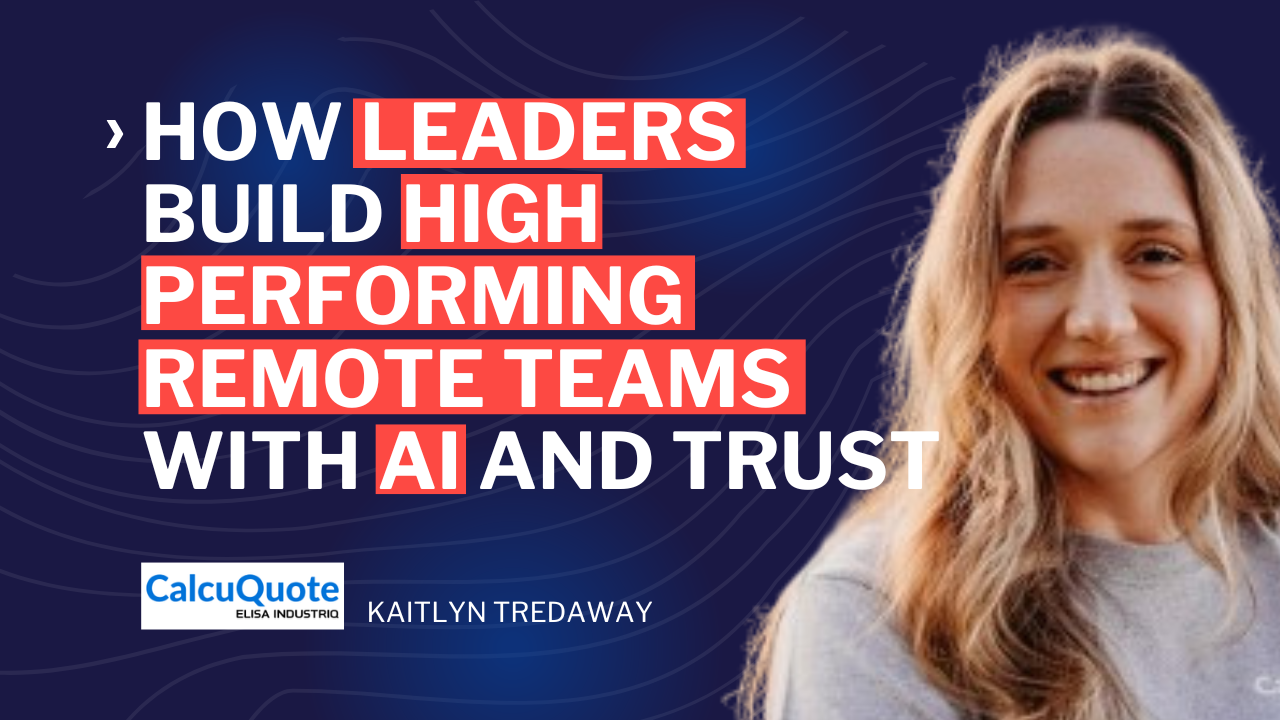
Kaitlyn Tredaway, CalcuQuote
Episode 129
Kaitlyn scaled CalcuQuote from a two-person startup to a global team by focusing on clarity, over communication, and thoughtful use of AI. She shows how leaders can build trust, keep remote teams connected, and use technology to support people, not replace them.
Lesson:
Clear communication, intentional structure, and trust are the foundations of high-performing remote teams—AI works best when it amplifies, not replaces, human judgment.
Improving Communication Through Continuous Improvement
Pete Shopp, Mouser Electronics
Episode 114
Pete encouraged teams to ask small improvement questions daily, which opened communication and helped surface issues earlier.
Lesson:
Continuous improvement strengthens communication and teamwork.

Solving Misalignment in Global Teams Through Cultural Awareness
Mark Burr Lonnon, EDAC Group
Episode 116
Mark noticed that regional teams interpreted expectations differently. By acknowledging cultural differences, he aligned expectations and reduced friction.
Lesson:
Cultural awareness prevents misunderstandings and strengthens collaboration.

How Do You Know You’re a Good Leader? Real Answers from Real Leaders
Episode 121
Seasoned leaders from across electronics and manufacturing share how they measure leadership success: by team growth, psychological safety, and the success of others.
Lesson:
You know you’re a good leader when your people grow in confidence, feel safe to own decisions and mistakes, and their success outshines your own.

Go Deeper with Leadership in Manufacturing
Practical Insights for Electronics, Manufacturing and Supply Chain Professionals
Leadership in Manufacturing is a podcast created specifically for professionals in electronics, manufacturing and supply chain who want to grow as impactful leaders. Each episode offers real-world insights, practical strategies and candid conversations with senior executives who share their leadership experiences.
Listeners walk away with actionable ideas they can apply immediately.
What To Do Next
Continue Your Leadership Development Journey
If you want to strengthen your leadership skills and stay ahead in the electronics industry, distribution and manufacturing, here are the next steps that will accelerate your growth.
1. Sign up for the Leadership in Manufacturing Newsletter
Get leadership insights, new episodes and practical tools delivered to your inbox.
Join here: https://leadershipinmanufacturing.com/newsletter/
2. Join the Leadership in Manufacturing Community
Connect with peers, share experiences and learn together.
Join here: https://www.linkedin.com/company/leadership-in-manufacturing/
3. Listen to one podcast episode from the examples above
Pick one that matches a challenge you are facing right now.
4. Identify one leadership skill to improve
Focus on communication, strategic thinking, collaboration or AI skills.
5. Share this article with your team
Use it to spark leadership conversations inside your organization.
You can unsubscribe at any time.*
Sannah Vinding
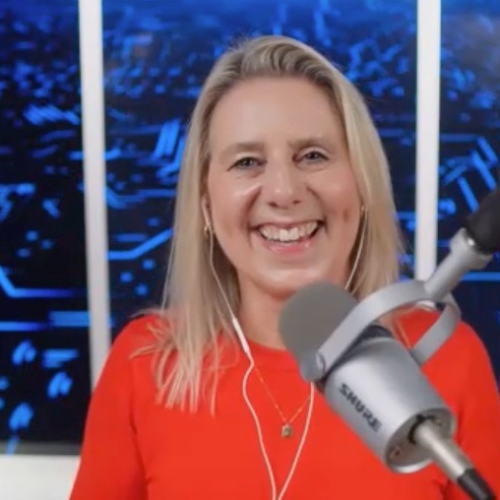
Sannah Vinding is an engineer and go-to-market leader known for bridging technical depth with business clarity across electronics and manufacturing.
Her work sits at the intersection of engineering, product, and commercial teams, translating complex technology, data, and customer insight into clear positioning, strong go-to-market execution, and measurable business impact.
She created Leadership in Manufacturing as an applied leadership platform to explore how leaders actually think, communicate, and make decisions when complexity is high and expectations are rising.
Through candid conversations with executives across manufacturing, distribution, and supply chain, Sannah brings together voices from across the electronics value chain to share lessons that help leaders grow with clarity and confidence.
Available on Your Favorite Podcast Platforms!




Related Episodes
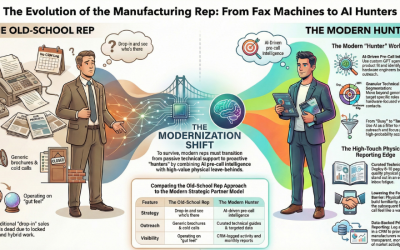
The Rep With a Fax Machine Is Losing
How manufacturing reps are using AI, smarter targeting, and disciplined workflows to win access, identify the right engineers, and support principals more effectively. Episode 135 with Tom Walker on modernizing the rep role.
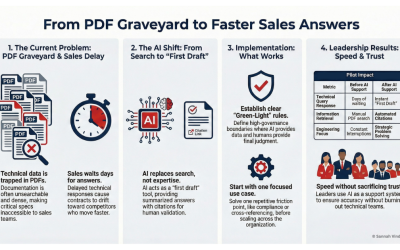
When Datasheets Slow Sales
How manufacturing leaders use AI to turn datasheets into faster, trusted sales answers without replacing engineers or risking accuracy.