The Rep With a Fax Machine Is Losing
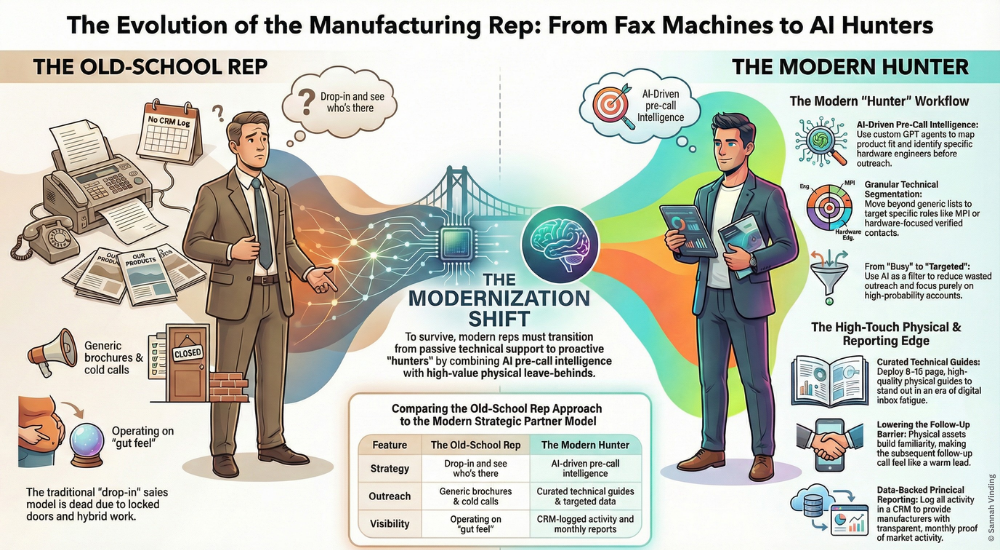
If your sales team still measures productivity by windshield time and cold calls, you are already behind.
The manufacturing rep role did not quietly evolve. It was forced to.
Front doors are locked. Engineers work hybrid. Receptionists are gone. Access is filtered. Attention is scarce. And the old playbook of “drop in and see who’s there” does not survive in that environment.
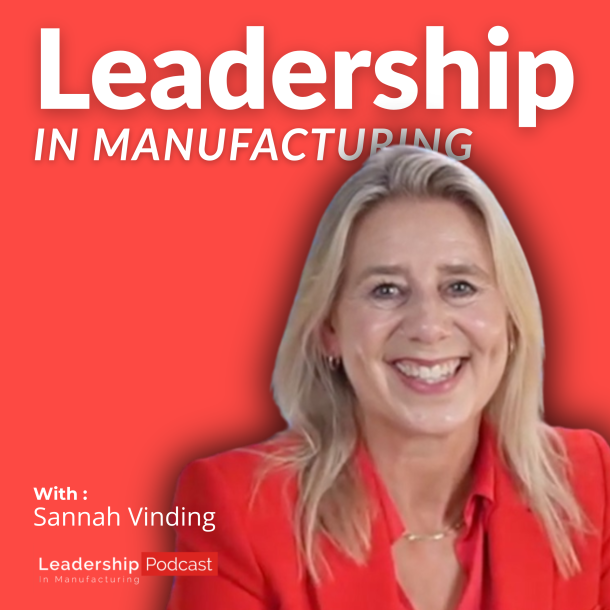
In Episode 135 of the Leadership in Manufacturing podcast, I sat down with Tom Walker, co-founder and VP of Spectron Components, to unpack how serious rep firms are modernizing their workflows with AI, smarter targeting, and intentional marketing systems.
This is not hype. It is execution..
“Our role has changed from being technical sales and support to becoming hunters.”
From Technical Support to Hunter
Tom said something that should make every principal pay attention:
“Our role has changed from being technical sales and support to becoming hunters.”
Five years ago, you could walk into an OEM, speak with a receptionist, leave literature, and build relationships through presence.
Today, doors are locked, engineers are remote, purchasing is centralized, and access requires relevance.
Reps who wait for inbound activity become invisible. Reps who hunt with intelligence become strategic partners.
The Shift: Reps as a Localized Marketing Engine
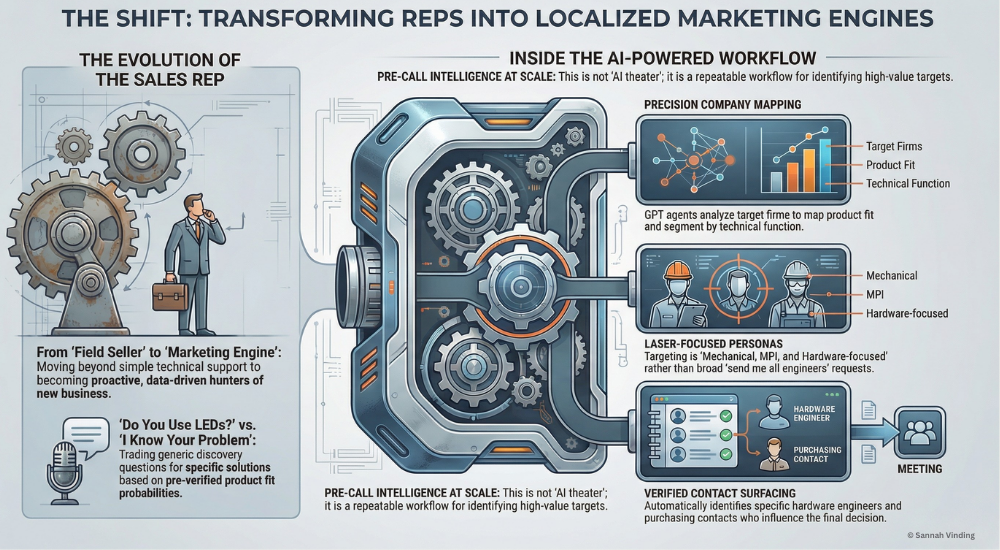
Modern reps are not just field sellers. They are localized marketing engines.
Tom built internal GPT agents that help his team:
- analyze target companies
- map product fit probabilities
- identify specific hardware engineers
- surface purchasing contacts
- segment by role and technical function
Not “send me all engineers.” Mechanical. MPI. Hardware-focused. Verified.
Instead of sitting in front of an engineer asking, “Do you use LEDs?” the rep walks in already knowing where there is likely fit, which lines are relevant, who influences the decision, and what problem the team is likely solving.
That is not AI theater. That is pre-call intelligence at scale.
The Old-School Twist That Wins
After AI identifies targets, Tom’s team prints highly curated product guides.
These are not generic brochures. They are technical, visual, and relevant. Usually 8 to 12 pages. Sometimes more focused, like 4-page mini guides for a specific principal or market segment.
Tom mentioned they can get these printed and shipped for about $3 per piece.
That matters because nobody does this anymore.
Engineers are drowning in email. They are not drowning in useful, well-designed physical technical content.
So when the follow-up call happens days later, the rep is no longer a stranger. The name is familiar. The line card is familiar. The barrier is lower.
“Our role has changed from being technical sales and support to becoming hunters.”
Why This Matters to Principals and Sales Leaders
If you lead sales, product, or operations at a manufacturer, this should change how you evaluate your rep network.
Ask:
- Are they data-driven or operating on gut feel?
- Are they identifying new accounts proactively?
- Do they have a workflow for finding the right contacts?
- Can they show activity clearly and consistently?
- Are they amplifying your marketing or waiting for it?
Tom also shared how they use Salesforce to log activity and create monthly principal reports that answer the question every director asks:
“What are the reps actually doing for us?”
A modern rep firm can show you.
The Real ROI of AI in Rep Firms
The reason this works is not because AI is magic.
It works because AI becomes a filter.
It helps reps:
- narrow down where to spend time
- find relevant contacts faster
- reduce wasted outreach
- avoid broad, generic prospecting
- move from “busy” to “targeted”
AI is not replacing relationships. It is improving preparation.
Physical Still Wins, But Only If It’s Relevant
Digital builds awareness. Physical builds relationships.
Tom was clear that face-to-face still matters. Once they are in the room:
- samples are hand-delivered
- product fit is discussed live
- value-add opportunities are explored
- next steps are set and tracked
Then the drip continues with targeted follow-ups.
That combination of intelligence, physical presence, and disciplined cadence is what separates average reps from strategic ones.
Practical Takeaways
For Rep Firms
- Build one focused GPT agent that knows your line card and target markets.
- Clean your data and verify contacts before outreach.
- Create one physical leave-behind engineers will actually keep.
- Track activity in a CRM, even if you start simple.
- Measure more than orders. Track verified contacts, touch cadence, and new accounts targeted.
For Principals
- Ask reps how they identify new accounts.
- Ask how they segment engineers and buyers.
- Ask for monthly activity reports.
- Ask how they support your marketing locally.
- Look for workflow maturity, not just “relationships.”
“Access is harder, attention is shorter, and expectations are higher. If you walk into a customer meeting without doing the work first, you are already behind. AI does not replace the relationship. It earns you the right to have one.”
The Leadership Lesson
This conversation was not really about tools.
It was about ownership.
Tom did not wait for factories to modernize. He built the capability in-house. He did not complain about locked doors. He changed the approach.
That is leadership in technical environments.
Execution, not hype.
This is part 1 of a 2-part conversation. If you work in manufacturing, distribution, or the manufacturers rep community, this episode is worth your time.
Listen to: Episode 135, “How Leaders Modernize the Manufacturers Rep Role Using AI and Smarter Workflows”
Guest: Tom Walker, Co-founder and VP of Spectron Components
Host: Sannah Vinding, Engineer and Go-to-Market Leader, Leadership in Manufacturing Podcast
You can unsubscribe at any time.*
Sannah Vinding
Sannah Vinding
Engineer | GTM, Growth & Product Marketing Leader, Podcast Host
Sannah Vinding is an engineer and go-to-market leader known for bridging technical depth with business clarity across electronics and manufacturing.
Her work sits at the intersection of engineering, product, and commercial teams, translating complex technology, data, and customer insight into clear positioning, strong go-to-market execution, and measurable business impact.
She created Leadership in Manufacturing as an applied leadership platform to explore how leaders actually think, communicate, and make decisions when complexity is high and expectations are rising.
Through candid conversations with executives across manufacturing, distribution, and supply chain, Sannah brings together voices from across the electronics value chain to share lessons that help leaders grow with clarity and confidence.
Available on Your Favorite Podcast Platforms!




Related Episodes
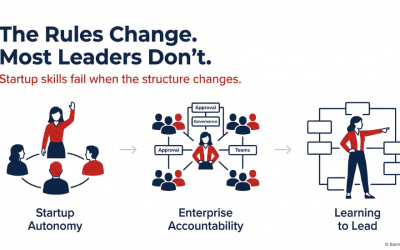
Why This Shift Is So Hard for Leaders
Leadership changes when organizations scale. Learn how to lead effectively between startup speed and enterprise structure in the electronics manufacturing industry.
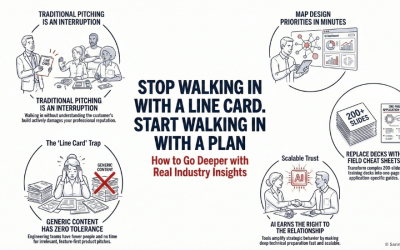
Stop Walking In With a Line Card. Start Walking In With a Plan
AI won’t build trust for you. But it can help you earn it. Episode 136 breaks down how smarter prep drives credibility in electronics sales